
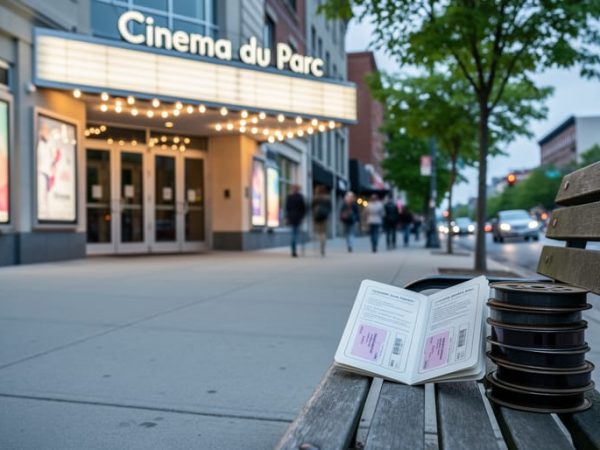
The Montréal Independent Film Festival is a free, public celebration of independent cinema, with its next annual screening set for April 23rd to 25th, 2027, at Cinema du Parc, 3575 Avenue du Parc. You don’t need deep pockets or industry connections to attend. You just need a ticket, and tickets are available through the festival’s site and Eventbrite.
What you’ll find on screen is a wide-ranging mix of drama, animation, documentary, experimental work, and comedy. Films arrive from Canada, the US, France, the UK, India, Australia, and beyond, so a single weekend can carry you across several continents without leaving Montréal. For Canadian filmmakers, that means seeing your own stories alongside voices from around the world. For everyone else, it’s a chance to hear perspectives you might never meet in a multiplex.
There’s also a seasonal competition on March 10th, 2027, and the finalists are screened at Cinema du Parc, so the festival rewards new talent well before the spring weekend arrives.
Below, you’ll find programming picks, practical details, and a few local tips to help you plan your visit.
Why the Montreal Independent Film Festival Belongs on Your Radar
A Home for Independent Voices in Canadian Film Festivals
“Independent” simply means films made outside the big studio system, often with smaller budgets and a lot more creative freedom. That freedom is exactly what makes these stories feel fresh, personal, and sometimes surprising.
The Montreal Independent Film Festival gives that kind of work room to breathe. Emerging filmmakers get a real audience for the first time, while established ones find a welcoming space to share bolder, more personal projects. Drama, documentary, animation, experimental film, and comedy all sit side by side, which keeps the lineup wonderfully varied.
Within the wider landscape of Canadian film festivals this one stands out for its heart. Eye For Details is a non-profit, and its mission is rooted in social justice and cultural understanding. Screenings aren’t just entertainment. They open doors to perspectives you might not meet otherwise, and they invite audiences to listen, reflect, and connect across communities.
Free, Accessible, and Open to Everyone
Admission to the Montreal Independent Film Festival is free to the public, and that changes who gets to be in the room. When there’s no price tag attached, a student curious about documentary, a teacher looking for stories to bring back to the classroom, or someone who has never set foot in a festival screening can simply show up and see what independent cinema has to offer.
That openness matters for building audiences. Film culture grows when people feel welcome to try something unfamiliar, and a free event lowers the stakes of taking that chance. Maybe you’ll discover you love experimental work, or find a drama that stays with you for weeks. It also gives filmmakers something they can’t always count on: a real mix of viewers, from seasoned cinephiles to curious newcomers.
Tickets are still available through the Eye For Details site and Eventbrite, so reserving a spot is a quick step rather than a barrier.
What to Watch: Five Programming Highlights Worth Seeking Out
1. Drama: Human Stories Across Cultures
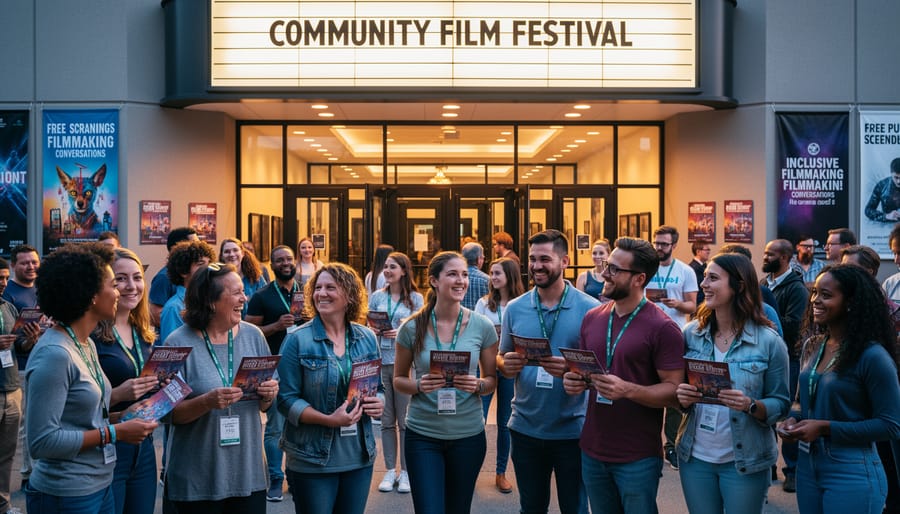
Drama is often the easiest way into a festival, because a good story asks you to sit with someone else’s life for ninety minutes. That’s where empathy grows. Independent drama tends to take its time with character and place, so look for performances that feel lived-in, stories rooted in a specific community, and endings that leave you thinking rather than tidy resolutions. If you want a Canadian starting point before the festival, our roundup of Top Canadian films shows how much range homegrown storytelling has.
Drama sits alongside the rest of the programme, so here’s a quick scan of what’s on offer:
- Genres: drama, animation, documentary, experimental, and comedy.
- Countries: the US, Canada, France, the UK, India, Australia, and others.
Pairing a drama with something from a country you rarely see on screen is a simple, rewarding way to widen your view.
2. Documentary: Real Stories, Real Perspectives
Documentary filmmaking is one of the most direct ways cinema can bring real people and real places to the screen. Among the genres at the festival, documentary stands out for its ability to shine a light on social justice themes and communities whose experiences don’t always reach mainstream audiences.
Independent documentaries often give filmmakers the freedom to follow a story closely and let the people at its center speak for themselves. That can mean exploring a neighbourhood, a tradition, a struggle, or a quiet act of resilience. With films arriving from Canada and from countries like France, the UK, India, and Australia, you can expect a mix of perspectives that broadens your sense of how others live. Go in curious, stay for the conversation afterward, and you may leave seeing the world a little differently.
3. Animation: Imagination Without Limits

Animation is where independent filmmakers get to stretch furthest. A pencil sketch, a handful of paper cutouts, or a digital world built from scratch can all carry a story, and each one feels handmade in the best way. At the Montreal Independent Film Festival, animation sits alongside drama, documentary, experimental, and comedy, which means you can wander from a quiet live-action portrait to something wildly imaginative in a single sitting.
What makes animation such a welcoming pick is how widely it connects. Younger viewers love the colour and movement, while older audiences often respond to the craft and ideas underneath. Students can study technique up close, and educators will find plenty of material for classroom conversations about creativity, culture, and storytelling.
4. Experimental Film: Where Cinema Takes Risks
Experimental film is cinema that bends or breaks the usual rules of storytelling. Instead of following a neat plot, it might play with image, sound, rhythm, or texture to create a feeling or an idea. You may hear people call it “avant-garde,” a term for work that pushes the boundaries of the art form. Don’t worry if you can’t summarize what you saw afterward. The point is often the experience itself.
At a festival, these films add contrast and surprise. They sit alongside drama, documentary, animation, and comedy, and they remind audiences that film can be anything. Go in curious, let the images wash over you, and talk about what you felt with whoever’s sitting next to you.
5. Comedy and the Global Mix of Filmmakers

Comedy earns its place in a festival lineup because laughter is the quickest way into a room full of strangers. After a run of heavier dramas and documentaries, a good independent comedy lets an audience breathe, and it often says something sharp about everyday life while doing it.
The festival also brings a real mix of voices to the screen, with films from the US, Canada, France, the UK, India, Australia, and other countries. Seeing a Canadian story next to one from another continent shows how much humour travels and how much it changes from place to place. It’s a chance to celebrate our own filmmakers while discovering how others tell their stories.
Practical Information: Dates, Venue, and Tickets
Getting Your Tickets
Reserving a spot is simple, and because the events are free to the public, you’re really just securing your seat. Tickets are available through the Eye For Details site and through Eventbrite, including the Eventbrite listing for the finalists screening at Cinema du Parc.
| Detail | What to know |
|---|---|
| Next annual screening | April 23rd to 25th, 2027 |
| Next seasonal competition | March 10th, 2027 |
| Venue | Cinema du Parc, 3575 Avenue du Parc, Montréal, Québec |
| Cost | Free to the public |
| How to get tickets | Through the Eye For Details site and Eventbrite |
Before you head out, check the official channels one more time. Organizers are the best source for the latest updates, and a quick look beforehand means you’ll arrive with the most current information in hand.
Planning Around Cinema du Parc
Cinema du Parc, at 3575 Avenue du Parc in Montréal, is where the finalists screening takes place, so it makes sense to treat the venue as your home base for the weekend. A little planning goes a long way, especially at a free event where interest can run high.
Before you head out, check the official channels for the latest details on access, nearby transit, and screening times. Those sources will always be more current than any general guide, and schedules can shift from one year to the next. If you’re travelling with friends, classmates, or a group of students, sort out your meeting spot and arrival plan ahead of time. That way you can settle into your seats, relax, and focus on the films and the conversations that follow.
Local Tips for Making the Most of the Festival
Free events have a way of filling up fast, so reserve your spot early through the Eye For Details site or Eventbrite. A free ticket still deserves a plan, and having one in hand means you can relax and enjoy the day.
Once you’re in the seat, mix the familiar with something new. If drama is your usual pick, try an experimental or animated program and see where it takes you. The lineup spans several genres and filmmakers from countries including the US, Canada, France, the UK, India, and Australia, so there’s plenty to stumble into.
Stay for the conversations, too. A festival is as much about people as it is about films, and chatting with filmmakers and fellow viewers is where connections form. Bring friends or classmates along, because a film shared is a film better discussed afterwards. If you enjoy the Montreal atmosphere, you might also explore the Toronto film festivals for more of the country’s screen culture, or read how arts events nurture community storytelling across Canada.
Finally, follow Eye For Details for updates on the competition and screenings, so you never miss the next chance to gather around great independent cinema.
Frequently Asked Questions About the Montreal Independent Film Festival
When is the next annual screening?
The next annual screening runs April 23rd to 25th, 2027, with the next seasonal competition set for March 10th, 2027.
Is the festival free, and where is it held?
Yes, these events are free to the public. The venue is Cinema du Parc, 3575 Avenue du Parc, Montréal, Québec.
How do I get tickets?
Tickets are available through the Eye For Details site and Eventbrite, including for the finalists screening at Cinema du Parc.
What films are shown, and where are they from?
Expect drama, animation, documentary, experimental, and comedy, with films from the US, Canada, France, the UK, India, Australia, and other countries.
The Montreal Independent Film Festival is a reminder of what makes Canadian film festivals so special: room for new voices, bold ideas, and stories from every corner of the world. With drama, documentary, animation, experimental work, and comedy on screen, there’s something for every kind of viewer. Mark April 23rd to 25th, 2027, reserve your free seat, and head to Cinema du Parc. Cheer on the filmmakers, bring a friend, and share what you discover. Independent cinema thrives when audiences show up.