
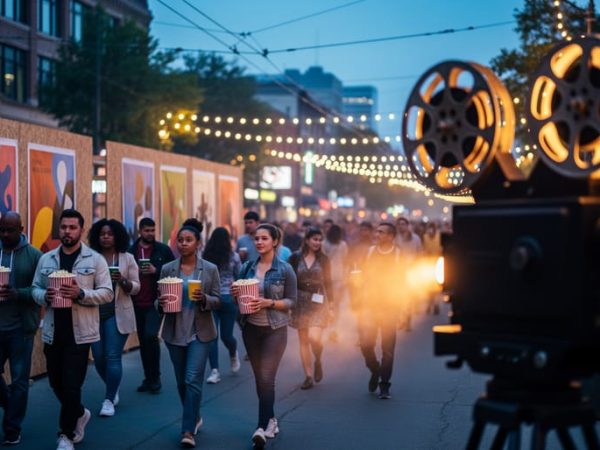
Toronto is home to more than a dozen film festivals celebrating stories from every corner of the globe and every facet of human experience. While the Toronto International Film Festival, running September 10-20, 2026 for its 51st edition, anchors the city’s reputation as a world-class cinema destination, a constellation of specialized festivals throughout the year showcases the diverse voices that shape Canadian film culture. From Indigenous sovereignty to Black resilience, queer joy to environmental urgency, these festivals create space for communities to see themselves on screen and for all audiences to expand their understanding of what cinema can be.
This guide maps Toronto’s most essential film festivals for anyone committed to supporting diverse storytelling. Each festival profiled here serves a distinct community and curatorial mission, yet all share a dedication to cinema as a tool for cultural expression and social change. Whether you’re a filmmaker seeking the right platform for your work, an educator building culturally responsive curriculum, or a film lover hungry for perspectives rarely seen in mainstream venues, you’ll find festivals here that align with your values and expand your cinematic horizons.
The festivals on this list were chosen for their commitment to underrepresented voices, their track record of community engagement, and their role in shaping Canada’s evolving film identity. Together, they prove that Toronto’s festival culture isn’t about a single September event. It’s a year-round celebration of who gets to tell stories, whose experiences matter on screen, and how cinema can build bridges across difference.
How We Chose These Festivals
Toronto’s festival circuit offers dozens of events each year, but we focused on festivals that do more than showcase films, they actively challenge whose stories get told and heard. Our selection prioritizes festivals championing Canadian cinema while creating space for voices historically marginalized in the industry.
We chose festivals aligned with cultural understanding and social justice, platforms where filmmakers from underrepresented communities find audiences and support. Each festival on this list demonstrates a commitment to reshaping stories about Canadian identity, whether through Indigenous sovereignty, Black Canadian experiences, queer narratives, or diaspora perspectives.
These festivals also offer genuine opportunities for connection. They’re not exclusive industry galas, they welcome emerging filmmakers, students, and film lovers seeking meaningful dialogue. From TIFF’s global platform to smaller community-focused events, each plays a distinct role in building a festival ecosystem that reflects Canada’s true diversity.
1. Toronto International Film Festival (TIFF), The Global Stage for Canadian Stories

The September 10-20, 2026 dates mark the 51st edition of the Toronto International Film Festival, and for Canadian filmmakers, TIFF remains the most important platform for getting their work in front of global audiences. This is where Canadian stories break out of regional markets and land distribution deals, where emerging directors sit in the same rooms as established auteurs, and where a single screening can change a career.
TIFF’s summer 2026 programming announcements built anticipation throughout July and early August. The first three Gala titles dropped July 7, followed by five Special Presentations on July 16, then full section reveals in the week of July 20. By the time the complete schedule arrived August 11, filmmakers and festival-goers already had a sense of which Canadian voices would share screens with international cinema’s biggest names.
The festival’s venues anchor the experience in Toronto’s cultural core. TIFF Bell Lightbox and Roy Thomson Hall serve as the main hubs, but screenings ripple across the city, transforming cinemas into meeting grounds where industry connections happen organically. Those chance encounters in lobbies and post-screening Q&As often matter as much as what’s on screen.
For Canadian filmmakers, TIFF offers multiple entry points and programming streams:
- Canadian features and shorts across competition and showcase sections that prioritize diverse regional voices
- Industry initiatives like the TIFF Filmmaker Lab and talent accelerator programs for emerging directors
- Market screenings designed specifically for distributors, sales agents, and festival programmers scouting new work
- Networking events that connect Canadian talent with international co-production partners and financiers
TIFF doesn’t just screen Canadian films, it actively shapes how the world sees Canadian cinema. A premiere here can mean the difference between a film languishing in obscurity and finding its audience across festivals worldwide. For anyone serious about understanding where Canadian storytelling stands on the global stage, September in Toronto is non-negotiable.
2. Toronto Black Film Festival, Amplifying Black Voices in Canadian Cinema
The Toronto Black Film Festival stands as a vital platform for stories that capture the complexity, beauty, and power of Black life in Canada. Since its founding, the festival has challenged the narrow representations often seen in mainstream cinema, instead offering a space where Black filmmakers control their own narratives. You’ll find films that explore everything from Afro-Caribbean immigrant experiences in Toronto’s neighborhoods to the legacy of Black Loyalists in the Maritimes, each one refusing to reduce Blackness to a single story.
What sets this festival apart is its commitment to showcasing work that mainstream circuits frequently overlook. Independent features, experimental shorts, and documentaries share the screen, many created by first-time directors who’ve struggled to find funding or distribution. The programming deliberately centers Black joy alongside Black struggle, celebrating love stories, comedies, and coming-of-age tales as much as films addressing racism and systemic injustice. This balance matters because it affirms that Black Canadian experiences deserve the full range of cinematic expression.
Beyond screenings, the festival creates genuine community. Panel discussions bring together filmmakers, scholars, and activists to explore questions of identity, representation, and cultural preservation. Young Black filmmakers network with established industry professionals, building connections that often lead to mentorship and collaboration. Audience members see themselves reflected on screen in ways they rarely experience at mainstream festivals, sparking conversations that continue long after the credits roll.
For anyone committed to understanding Canada’s true diversity, this festival offers an education no classroom can match. It reminds us that Canadian cinema remains incomplete without the voices, histories, and visions of Black storytellers who have shaped this country from its earliest days.
3. imagineNATIVE Film + Media Arts Festival, Indigenous Storytelling and Sovereignty
imagineNATIVE Film + Media Arts Festival stands as the world’s largest gathering dedicated to Indigenous screen content, centering the voices of First Nations, Métis, and Inuit filmmakers who are reclaiming narrative sovereignty through cinema. Founded in 1999, the festival has grown into a vital platform where Indigenous storytelling isn’t filtered through colonial perspectives but celebrated on its own terms, with Indigenous knowledge systems guiding both the films and the conversations they inspire.
What sets imagineNATIVE apart is its commitment to decolonizing the screen. The programming actively challenges the limited, often stereotypical portrayals of Indigenous peoples that have dominated Canadian cinema for decades. Instead, audiences encounter complex narratives exploring contemporary Indigenous life, traditional teachings adapted for modern contexts, and urgent stories about land rights, language revitalization, and cultural continuity. Filmmakers present their communities’ realities without needing to explain or justify them to non-Indigenous gatekeepers.
The festival creates tangible pathways for Indigenous youth entering the film industry through mentorship programs, workshops, and professional development initiatives. Emerging filmmakers gain access to established directors, producers, and industry professionals who understand the unique challenges of making films while navigating systems that weren’t built with Indigenous creators in mind. These connections often lead to collaborative projects that keep storytelling practices rooted in community.
imagineNATIVE also functions as a gathering space where Indigenous artists from across Turtle Island and beyond can share knowledge, build networks, and strengthen collective resistance against ongoing erasure. The festival proves that Indigenous cinema isn’t a niche category, it’s a dynamic, essential force reshaping Canadian film culture toward genuine reconciliation and representation.
4. ReelAsian International Film Festival, Pan-Asian Perspectives

ReelAsian carves out essential space in Toronto’s festival landscape for stories that too often get flattened into monolithic narratives about “Asian experience.” Founded in 1997, the festival has grown into one of North America’s largest showcases of contemporary Asian cinema, with a particular focus on the layered realities of Asian-Canadian communities. What sets ReelAsian apart is its refusal to treat Asian identity as a single category, programming ranges from Tamil-Canadian documentaries to Japanese-Canadian experimental shorts, Korean diaspora dramas to Filipino youth narratives, each challenging the reductive stereotypes that persist in mainstream Canadian film.
The festival typically runs each November, transforming Toronto venues into gathering spaces where second-generation filmmakers explore hyphenated identities, where stories about intergenerational trauma sit alongside celebrations of cultural hybridity, and where the camera becomes a tool for reclaiming narratives. ReelAsian actively mentors emerging Asian-Canadian directors through its industry programs, creating pathways into an industry where representation behind the camera remains frustratingly limited. These initiatives matter because they address a concrete gap: giving Asian filmmakers not just festival slots but the networks and skills to sustain careers.
For audiences, ReelAsian offers something rarely found in commercial cinema, the chance to see Asian-Canadian life in all its complexity and contradiction. Films here wrestle with model minority myths, explore queer Asian experiences often erased in both Western and heritage contexts, and center stories where Asian characters exist beyond trauma or exoticism. The festival builds community by treating film as conversation, not just consumption, fostering dialogue that connects Toronto’s diverse Asian communities while inviting all viewers into deeper cultural understanding.
5. Inside Out Toronto LGBT Film Festival, Queer Cinema and Community
Since 1991, Inside Out has anchored Toronto’s LGBTQ+ film calendar as Canada’s largest queer film festival. What began as a grassroots gathering of 14 films has grown into an 11-day celebration featuring over 200 works from queer filmmakers worldwide, with Canadian voices at its heart. The festival transforms Toronto each May into a welcoming space where LGBTQ+ stories aren’t relegated to niche programming, they’re the main event.
Inside Out’s strength lies in its deliberate balance between celebration and challenge. The programming spans jubilant coming-of-age narratives, experimental shorts pushing aesthetic boundaries, and documentaries examining queer activism’s ongoing struggles. You’ll find films exploring Two-Spirit identities within Indigenous communities, trans youth navigating healthcare systems, and queer elders preserving oral histories, stories that reflect the full spectrum of LGBTQ+ experience in Canada rather than flattening it into a single narrative.
For emerging filmmakers, the festival offers more than screenings. Its mentorship programs connect queer creators with established industry professionals, while pitch sessions provide funding pathways often inaccessible through mainstream channels. The festival’s deliberately accessible structure, youth tickets, sliding-scale passes, free community screenings, ensures participation isn’t limited by financial barriers.
The festival also functions as a gathering point for coalition-building across movements. Panel discussions frequently link queer rights to Indigenous sovereignty, racial justice, and disability advocacy, recognizing that LGBTQ+ communities aren’t monolithic. This intersectional approach aligns with broader cultural conversations about whose stories get told and who controls the telling. Inside Out proves that queer cinema in Canada isn’t a single genre, it’s a living archive of resistance, joy, and constantly evolving identity.
6. Planet in Focus Environmental Film Festival, Cinema for Climate Action
Planet in Focus has been centering environmental filmmaking in Toronto since 1999, creating space where cinema becomes a catalyst for climate action and ecological awareness. The festival champions Canadian documentaries and narratives that examine our relationship with the land, the urgency of climate change, and the connections between environmental degradation and social justice. What sets this festival apart is its recognition that environmental storytelling is inseparable from Indigenous land stewardship and the voices of communities most affected by ecological crises.
The programming consistently highlights Indigenous filmmakers whose work challenges extractive industries and honors traditional ecological knowledge. These films reveal how Indigenous communities across Canada have served as environmental defenders for generations, offering perspectives that mainstream climate discourse often ignores. By platforming these narratives, Planet in Focus demonstrates that meaningful climate action requires listening to those whose relationships with the land predate colonial borders.
Canadian documentarians working in this space don’t just document problems. They explore solutions rooted in community storytelling grassroots organizing, and the power of collective responsibility. Films screened here examine everything from urban food sovereignty projects in Toronto to the impact of resource extraction on remote communities, always centering human stories within larger ecological contexts.
The festival creates conversations that extend beyond the screenings themselves. Panel discussions bring together filmmakers, activists, scientists, and community organizers to explore how visual storytelling can shift public understanding and inspire tangible change. For audiences seeking films that align with values of justice and sustainability, Planet in Focus offers a vision of Canadian cinema actively engaged with the most pressing crisis of our time.
7. Toronto Palestinian Film Festival, Stories of Resistance and Resilience
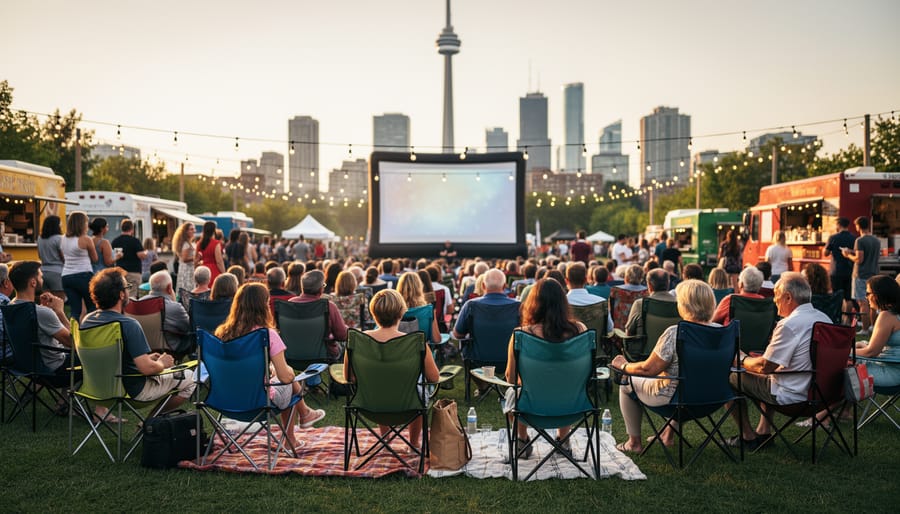
The Toronto Palestinian Film Festival stands as a courageous platform for stories that mainstream Canadian cinema rarely amplifies. Since its founding, this festival has centered Palestinian voices, showcasing narratives of daily life, displacement, memory, and hope that challenge the narrow frames often presented in Western media. For audiences seeking cultural understanding beyond headlines, it offers documentaries and features that illuminate the complexity of Palestinian existence, from family life under occupation to diaspora experiences in Canada.
What sets this festival apart is its commitment to solidarity through storytelling. Palestinian filmmakers working in Toronto and across the diaspora find a home here, connecting their work with Canadian audiences hungry for perspectives absent from commercial screens. The programming doesn’t shy from difficult truths about colonialism and resistance, yet it equally celebrates art, humor, and the everyday resilience that defines Palestinian culture. Screenings often spark conversations about Indigenous land rights in Canada, drawing powerful parallels between Palestinian struggles and those of First Nations communities.
For filmmakers whose work appears at top Canadian films showcases and US film festivals this festival represents a different kind of recognition, one rooted in shared values of justice and cultural preservation. Unlike downtown festivals focused on entertainment, the Toronto Palestinian Film Festival positions cinema as a tool for political education and cross-cultural bridge-building. It creates space for Canadian-Palestinian filmmakers to tell their stories without compromise, while inviting all Torontonians to witness cinema as an act of witness itself.
Finding Your Festival Community
Engaging with Toronto’s festival scene starts with understanding what you’re looking for. If you’re drawn to stories that challenge mainstream narratives, festivals like the Toronto Palestinian Film Festival or Toronto Black Film Festival offer intimate settings where conversations with filmmakers happen naturally after screenings. Larger events like TIFF provide industry networking and world premieres, while festivals such as imagineNATIVE or ReelAsian create dedicated spaces for communities often underrepresented in Canadian cinema. Think about whether you want the energy of big audiences or the close-knit feel of smaller venues where every screening becomes a dialogue.
For filmmakers ready to submit work, each festival publishes open calls months in advance, typically through platforms like FilmFreeway or Withoutabox. Read submission guidelines carefully, as festivals prioritize work that aligns with their mission. The Toronto Black Film Festival seeks narratives reflecting Black Canadian experiences, while Planet in Focus wants films addressing environmental justice. Most festivals offer reduced submission fees for students and emerging artists, removing financial barriers to participation.
Attending as an audience member builds community too. Buy individual tickets to test the waters, or commit to a festival pass if you’re eager to dive deep. Follow festivals on social media for programming announcements, TIFF revealed its first titles in early July 2026, giving fans time to plan. Show up early, stay for Q&As, and don’t hesitate to introduce yourself to other attendees in the lobby. Toronto’s festival scene thrives because people show up ready to connect over shared love of cinema that matters.
Frequently Asked Questions
Navigating Toronto’s festival circuit raises practical questions, especially for first-timers and aspiring filmmakers. Here’s what you need to know to make the most of these platforms.
When should I buy tickets for Toronto film festivals?
Timing varies by festival, but TIFF typically announces programming in stages throughout summer, with the complete schedule arriving mid-August, and tickets going on sale shortly after for members, then to the general public. Smaller festivals often release schedules and open ticketing four to six weeks before their start dates, though some popular screenings sell out quickly.
Are these festivals accessible to students and emerging filmmakers?
Absolutely. Most Toronto festivals offer student discounts, volunteer opportunities that include free screening access, and dedicated programs for emerging talent. Many, including imagineNATIVE and ReelAsian, provide filmmaker development workshops, mentorship sessions, and networking events specifically designed to support new voices in the industry.
How can I stay informed about festival programming announcements?
Subscribe to festival newsletters and follow their social media channels for real-time updates. TIFF, for instance, rolled out its 2026 programming through multiple announcements starting in early July, with full sections revealed weekly leading up to the complete schedule in August.
What makes Toronto’s festival landscape unique in Canada?
Toronto hosts the country’s most diverse range of culturally-specific festivals, creating year-round platforms for communities often underrepresented in mainstream cinema. Unlike cities with a single dominant festival, Toronto’s ecosystem intentionally centers Indigenous voices, Black Canadian stories, queer narratives, and diaspora perspectives, reflecting Canada’s true diversity rather than a monolithic film culture.
If you’re considering submitting your own work, research each festival’s submission guidelines early. Deadlines typically fall six to eight months before festival dates, and most use platforms like FilmFreeway or Withoutabox. Focus on festivals whose mission aligns with your story, a film exploring climate justice fits naturally at Planet in Focus, while work centering Palestinian experiences belongs at the Toronto Palestinian Film Festival.
Student passes and volunteer positions open doors without breaking budgets. Volunteering not only grants screening access but connects you with fellow film lovers and industry professionals in casual settings where genuine community forms. These festivals thrive because people show up, participate, and care about the stories being told.
Toronto’s film festivals aren’t confined to a single event or season, they’re a year-round celebration of the stories that define Canada’s true cultural landscape. From TIFF’s global platform in September to the specialized festivals spotlighting Black, Indigenous, Asian, queer, Palestinian, and environmentally-focused narratives, this city has created an ecosystem where diverse voices don’t just exist on the margins, they take center stage.
These festivals do more than screen films. They challenge assumptions about what Canadian cinema can be, create pathways for filmmakers whose stories have historically been overlooked, and build communities united by the belief that representation matters. Whether you’re a filmmaker seeking the right platform for your work, a student exploring new perspectives, or simply someone who believes in the power of storytelling to shift culture, Toronto’s festival landscape offers a place for you.
The collective impact of these festivals is reshaping perceptions, one screening, one conversation, one supported filmmaker at a time. Your engagement, whether through attending, volunteering, or championing these platforms, contributes to that transformation. Toronto’s festivals prove that diverse cinema isn’t a niche interest; it’s the full, vibrant picture of who we are.