
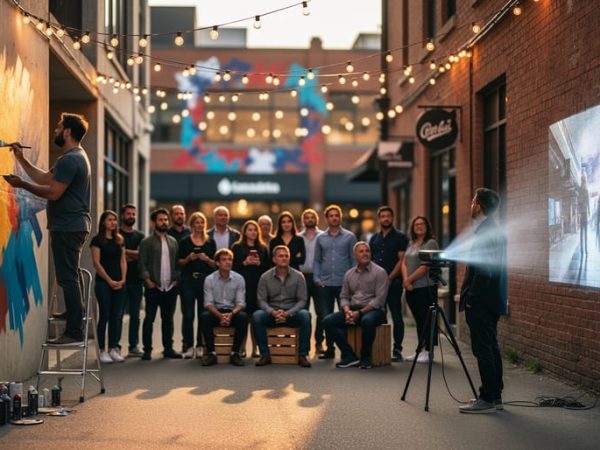
Urban arts expos are large-scale public events that bring together street art, performance, film screenings, live music, and interactive installations to celebrate creativity emerging from city spaces and marginalized communities. Unlike traditional gallery shows or conventional festivals, these expos transform urban environments into accessible cultural hubs where artists working outside mainstream institutions can share their vision, connect with audiences, and challenge dominant narratives about who gets to create and be seen.
For Canada’s diverse communities, urban arts expos serve as essential platforms for storytelling that reflects the lived experiences of people whose voices have historically been excluded from cultural institutions. Indigenous artists reclaim space through murals and digital projections. Black filmmakers screen documentaries on social justice movements. Newcomer collectives stage performances blending traditions from multiple homelands. These gatherings don’t just display art. They build solidarity, spark dialogue, and redefine what Canadian culture looks like in 2026.
The rise of urban arts expos across Canadian cities signals a shift in how we engage with culture. Audiences no longer passively consume content curated by distant gatekeepers. They participate, collaborate, and co-create experiences that honor the complexity of urban life. From Vancouver’s Eastside to Toronto’s inner suburbs to Montreal’s diverse neighborhoods, these events amplify grassroots creativity while fostering connections between filmmakers, visual artists, musicians, and activists working toward shared visions of justice and belonging.
Whether you’re an artist seeking exhibition opportunities, a film enthusiast exploring new forms of storytelling, or an educator looking to connect students with vibrant cultural movements, understanding how urban arts expos function opens doors to meaningful participation in Canada’s evolving cultural landscape.
What Makes Urban Arts Expos Different From Traditional Festivals
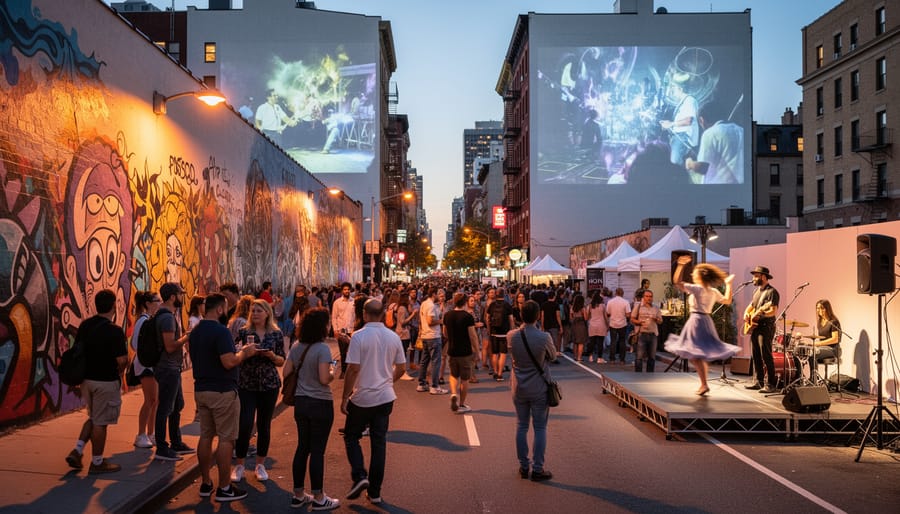
Urban arts expos flip the script on traditional art festivals. Instead of cordoning off creativity behind velvet ropes or gallery walls, they invite you to step inside the work itself. These events blur the line between artist and audience, transforming public spaces into living canvases where film projections dance across building facades, performers collaborate with strangers, and experimental storytelling unfolds in real time.
Traditional festivals often present finished work for passive consumption, you walk through, you observe, you move on. Urban arts expos operate differently. They’re designed as creative laboratories where the process matters as much as the product. A filmmaker might screen rough cuts and invite immediate feedback. A visual artist could paint a mural while passersby contribute ideas or brushstrokes. This participatory energy creates something conventional festivals rarely achieve: a genuine sense of shared ownership over the cultural experience.
- Immersive Experiences
- Multi-sensory environments where audiences physically enter the artwork, such as walking through projection-mapped installations or interactive sound environments that respond to movement.
- Participatory Art
- Creative works that require audience input to be completed, transforming attendees from observers into active collaborators and co-creators.
- Cross-Disciplinary Collaboration
- The intentional blending of film, visual arts, performance, music, and digital media within single projects, breaking down traditional artistic boundaries.
- Community-Centered Programming
- Events and activities designed with and for local populations, prioritizing accessibility, cultural relevance, and neighbourhood voices over purely aesthetic concerns.
The multi-disciplinary nature of urban arts expos makes them particularly powerful platforms for Canadian storytellers. A documentary filmmaker might present work alongside hip-hop artists exploring the same social justice themes, creating conversations that isolated screenings never spark. Emerging voices get equal billing with established names, and experimental formats that wouldn’t survive traditional curation thrive here. These expos aren’t just reshaping our stories they’re redefining who gets to tell them and how those narratives reach audiences.
The Cultural Impact: Why Canadian Communities Need These Spaces
Breaking Down Barriers to Creative Expression
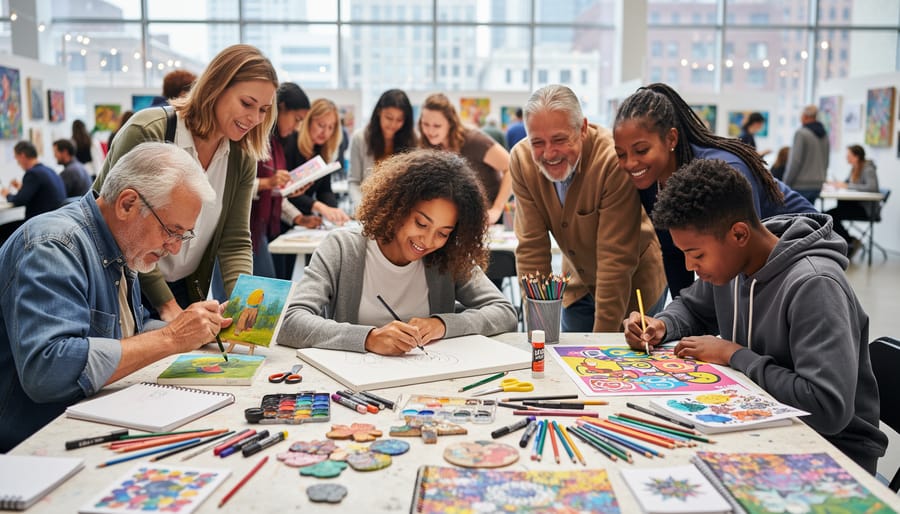
Urban arts expos fundamentally reimagine who gets to participate in Canadian cultural production. Unlike conventional galleries that demand curated portfolios or film festivals with steep submission fees, these spaces welcome first-time creators alongside established artists. A filmmaker from Scarborough can screen rough cuts on projection walls without paying hundreds in entry fees. A Métis teenager experimenting with digital collage finds mentors willing to share techniques at no cost. This open-door approach mirrors the inclusive spirit of downtown urban arts festivals, where participation matters more than pedigree.
The physical design reinforces accessibility. Many expos provide materials on-site, cameras, canvases, editing software, eliminating the “you must own professional equipment” barrier that keeps talented voices silent. Free admission removes economic gatekeeping, ensuring communities priced out of traditional cultural spaces can engage both as audiences and contributors. Workshop formats replace formal instruction with collaborative exploration, where immigrant storytellers and seasoned documentarians learn from each other’s perspectives.
Perhaps most crucially, these expos validate experimental and unfinished work. Indigenous filmmakers testing new narrative structures receive constructive feedback rather than rejection letters. Newcomers to Canada share cultural stories through whatever medium feels authentic, whether that’s animation, spoken word over found footage, or interactive installations. By celebrating process over polish and lived experience over technical perfection, urban arts expos transform who gets to call themselves an artist in Canadian cultural conversations.
Creating Dialogue Across Communities
Urban arts expos excel at creating spaces where strangers become collaborators, and cultural differences transform into sources of collective creativity. When a Somali-Canadian poet shares the stage with an Anishinaabe filmmaker, or when a Québécois muralist works alongside a South Asian textile artist, these encounters spark conversations that transcend language barriers and challenge assumptions. The community-building impact happens organically, through shared meals at artist markets, impromptu jam sessions between musicians from different traditions, and collaborative installations that invite everyone to contribute.
These expos intentionally design programming that requires participation across cultural lines. A documentary screening might pair with a community discussion circle where Indigenous Elders and newcomers reflect together on themes of belonging and displacement. An interactive dance piece could invite audience members from different backgrounds to co-create movements that blend their cultural traditions. Unlike passive consumption at traditional galleries, these shared creative acts build empathy and understanding through doing, not just observing.
The physical design of urban arts expos reinforces this dialogue. Open layouts encourage spontaneous encounters. Free admission removes economic barriers that often segregate cultural spaces. Multi-language signage and programming honor linguistic diversity while creating entry points for everyone, making reconciliation and celebration felt experiences rather than abstract concepts.
Film and Moving Image at Urban Arts Expos
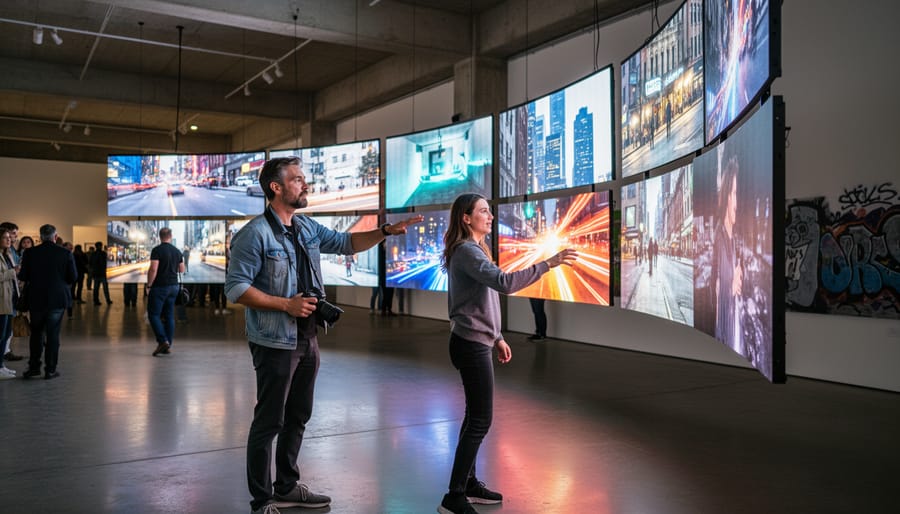
Urban arts expos treat film not as passive entertainment but as immersive, interactive experiences that transform how Canadian audiences encounter moving images. While Canadian film festivals traditionally center on theater-based screenings and panel discussions, urban arts expos reimagine cinema as spatial, participatory, and physically integrated into the urban environment. You might witness a documentary projected onto the side of a heritage building, or step inside a shipping container converted into a 360-degree animation installation where the story unfolds around you.
Outdoor screenings anchor many urban arts expos, but these differ from typical summer cinema series. Filmmakers often introduce their work live, then invite audience members to discuss themes immediately afterward in casual settings, on the grass, over food trucks, without the formality of a theater Q&A. Experimental shorts play on loop in gallery spaces where viewers control their own journey, revisiting segments or experiencing films non-linearly. This approach particularly benefits challenging work that explores indigenous identity, diaspora experiences, or social justice themes, giving audiences time to reflect and engage at their own pace.
Common film-related elements include:
- Pop-up screenings in unexpected urban locations like alleyways, parkades, or waterfront spaces
- Filmmaker talks paired with live art creation or music performances
- Documentary showcases focused on local community stories and grassroots activism
- Animation workshops where participants create short films in a single afternoon
- Multimedia installations combining projection mapping, sound art, and physical objects
Virtual reality has emerged as a signature feature at many expos, offering Canadian filmmakers new ways to explore narrative and place. Indigenous creators have used VR to transport viewers into traditional territories, while urban documentarians recreate historical neighborhoods erased by development. These technologies become accessible rather than elite, you do not need expensive equipment at home, just the willingness to try a headset at the expo.
Workshops blur the line between audience and creator. A filmmaker might lead participants through mobile phone cinematography, then screen the resulting work that same evening. This hands-on approach demystifies the filmmaking process and builds confidence among emerging storytellers who might never consider entering traditional film programs.
What to Experience at an Urban Arts Expo
Walking into an urban arts expo feels less like visiting a gallery and more like stepping into a living, breathing creative ecosystem. The first thing that hits you is the energy, the crack of spray paint cans, the rhythm of live drumming, the hum of conversations in multiple languages as artists and audiences mingle without the traditional barriers of roped-off spaces or hushed reverence.
Live muralism transforms blank walls before your eyes. You might watch a crew of artists collaboratively paint a three-storey building over the weekend, their evolving work commenting on Indigenous land rights or climate justice. These aren’t static displays; they’re performances in their own right, with artists often stopping to explain techniques, share inspiration, or invite passersby to add their own mark to a designated community canvas.
The film and moving image installations break every convention of traditional cinema. Expect to find short documentaries projected onto warehouse exteriors after sunset, VR headsets offering immersive journeys through Canadian urban landscapes, or interactive installations where your movement triggers different narrative pathways. These aren’t passive viewing experiences, they demand participation, whether you’re choosing which story thread to follow or contributing your own recorded perspective to a collaborative video piece.
Street performances erupt spontaneously throughout the space. Indigenous dancers might perform alongside hip-hop crews, while spoken word artists claim corners for impromptu showcases. The lines between audience and performer blur constantly, with open mic opportunities and collaborative jam sessions that welcome newcomers.
Collaborative making stations invite hands-on creativity regardless of skill level. You’ll find printmaking workshops where you can create protest posters, animation stations teaching stop-motion techniques, or communal sculpture projects built from recycled materials. If you’re tracking what should be on every creative’s urban arts festival radar, these participatory elements define the expo model, spaces designed not just to showcase art, but to generate it collectively, democratically, and joyfully in real time.
How Filmmakers and Artists Can Get Involved
Getting your work featured at an urban arts expo starts with research. Identify events that align with your artistic vision by following cultural organizations on social media, checking municipal arts councils, and connecting with local artist collectives. Many expos maintain open calls throughout the year, while others work on seasonal programming cycles.
Most Canadian urban arts expos welcome submissions from emerging and established creators alike. The process typically unfolds like this:
- Review the expo’s curatorial themes and past programming to ensure your work fits their vision and audience
- Prepare a concise artist statement that connects your practice to community engagement and cultural dialogue
- Compile a portfolio showcasing 5-10 of your strongest pieces, including process documentation and audience interaction elements if applicable
- Submit through the official channels before the deadline, following all technical specifications for file formats and sizing
- Follow up two weeks after submission if you haven’t received confirmation, and be prepared to discuss your work in a brief interview or pitch session
Beyond formal applications, relationship-building matters enormously. Attend expos as a participant first, volunteer at setup, engage with featured artists, and introduce yourself to organizers during quieter moments. Many opportunities come from these genuine connections rather than cold submissions.
Consider proposing collaborative projects that involve audience participation or skill-sharing workshops. Expos increasingly favour interactive elements over passive displays. A filmmaker might offer a mobile editing station where attendees remix footage, while a visual artist could lead a community mural project that unfolds over the weekend.
Don’t overlook smaller, neighbourhood-scale expos. These grassroots events often provide easier entry points and valuable experience before approaching larger, more competitive platforms. They also tend to foster tighter creative communities where emerging artists find mentorship and collaborative partners.
Keep your portfolio updated with community-engaged work, document your process thoroughly, and maintain an active presence in local arts scenes. Consistency and authentic community connection open more doors than any single perfect submission.
Urban arts expos represent far more than temporary gatherings of creative talent, they are living laboratories where Canadian cultural identity continues to evolve, where stories that might otherwise go unheard find audiences hungry for authentic connection. These spaces challenge the notion that arts engagement belongs only to those who can afford gallery admissions or film festival passes. Instead, they insist that creativity thrives when barriers fall away, when a mural becomes a conversation starter between neighbors who’ve never spoken, when a short film screening under the stars transforms a parking lot into common ground.
The filmmakers, visual artists, performers, and organizers who bring these expos to life are doing essential work. They’re building bridges between communities that traditional institutions often keep separate. They’re creating pathways for emerging voices, particularly Indigenous artists, newcomers, and creators from marginalized backgrounds, to share their perspectives without gatekeepers determining whose stories deserve attention.
But these expos only flourish when communities show up. Whether you attend as a curious first-timer, submit your experimental film, volunteer to help install an interactive piece, or simply spread the word about an upcoming event, your participation matters. Every person who engages with these spaces reinforces their value and sustainability.
Canada’s cultural landscape grows richer when we refuse to leave creativity in the hands of a privileged few. Urban arts expos remind us that art belongs everywhere, that stories matter regardless of who tells them, and that our communities become more vibrant, more understanding, and more resilient when we create and celebrate together. The next expo in your city isn’t just an event, it’s an invitation to shape the culture you want to see.